
About the Project
Agency & Resilience (order) is a work of documentary photojournalism. It records the killing of Alex Pretti on January 24, 2026, and the seventy-four days of community response that followed — a period in which the Twin Cities answered an act of federal violence not with silence, but with presence.
What Happened
At approximately 9:00 a.m. on January 24, 2026, Alex Pretti was shot and killed by Customs and Border Protection agents on Nicollet Avenue in Minneapolis. He was thirty-seven years old, an ICU nurse at the Minneapolis VA, a lawful gun owner with a permit to carry, and a man with no criminal history. That morning, he was doing what this project argues every citizen has the right and, perhaps, the responsibility to do: he was filming. He was documenting Operation Metro Surge, the intensified federal ICE and CBP enforcement campaign that had brought armed agents into the neighborhoods of the Minneapolis area as part of a broader pattern of immigration enforcement unfolding in cities across the country.
His death turned a policy story into something no neighborhood could hold at arm’s length. It also posed, in the starkest possible terms, the question at the center of this project: what does it cost to witness — and what does it cost when no one does?
What Followed
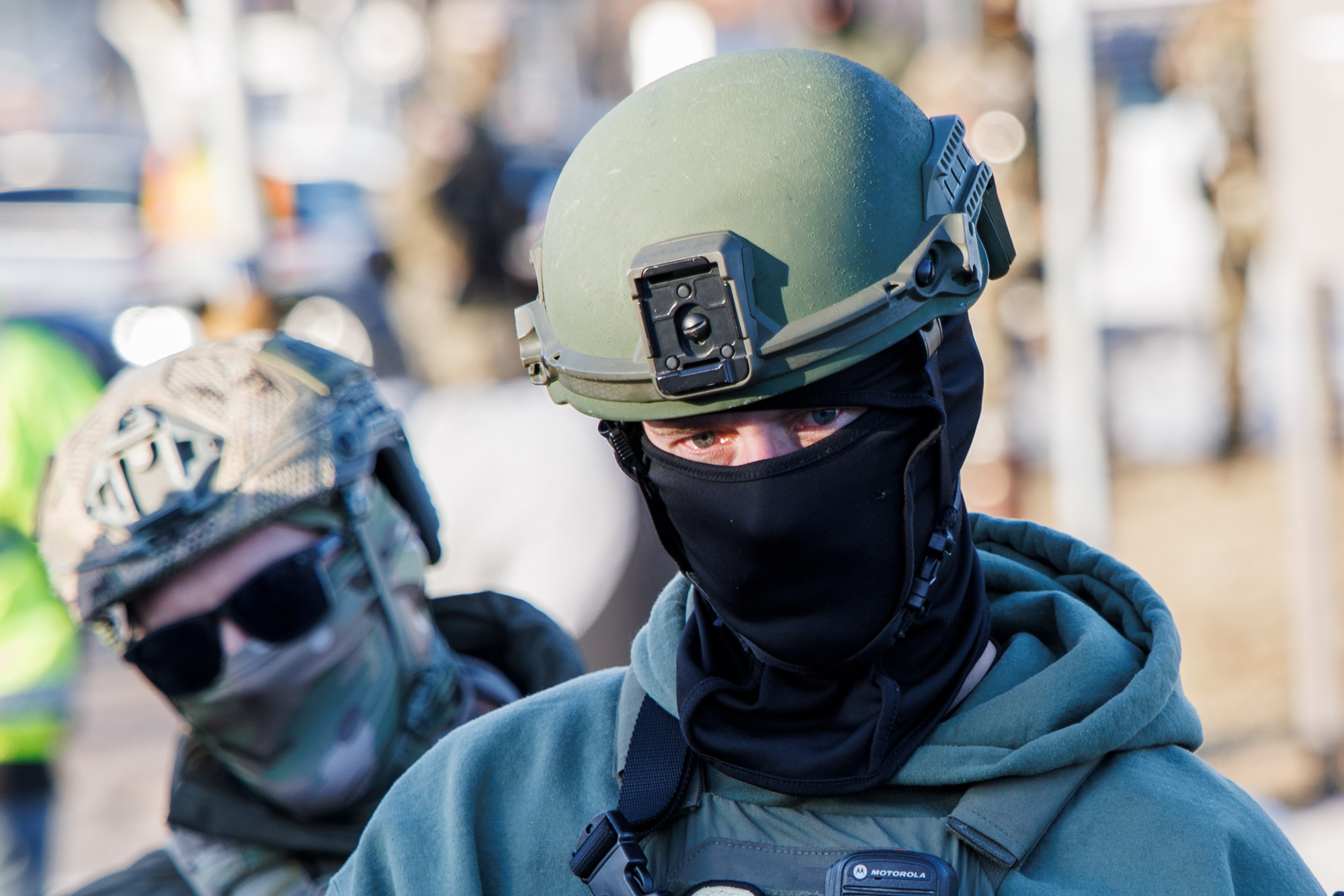
In the weeks after January 24, something shifted in the Twin Cities. Vigils formed on the sidewalk where Pretti died. Protests grew from dozens to thousands. A memorial was built, cleared by authorities, and rebuilt by neighbors — more than once. People who had never held a sign stood on corners holding signs. Clergy, nurses, veterans, students, and immigrants’ rights organizers found themselves shoulder to shoulder in the cold. By early March, the response had grown large enough to fill a concert hall, as musicians and organizers gathered for a benefit in Pretti’s memory.
The response was not uniform, and this project does not pretend it was. Movements gather, fracture, adapt, and persist. Agency & Resilience documents all four.
The Book
At the heart of the project is a 164-page photographic book, organized chronologically and thematically, tracing how a single act of violence moved through a community. Photographs from the scene and from the months that followed sit alongside primary documents: transcripts, 911 calls, press conference statements, and official communications, left as much as possible to speak for themselves. The intent is not to editorialize but to assemble a record — one that readers can examine, question, and return to.
The book is the culmination of nearly a decade of protest photography: over 60,000 frames made on the streets since 2017, a sustained practice of showing up that long predates Operation Metro Surge. None of it was preparation for January 24. All of it made what came after possible.
Agency & Resilience is published under the EarthSayers imprint and distributed through Itasca Books. Proceeds benefit the Immigrant Law Center of Minnesota (ILCM), which provides legal representation to low-income immigrants and refugees across the state.

Why Witnessing
To witness is to refuse the easiest option available to any of us: looking away. It costs nothing to not be there. It costs nothing to let an enforcement operation unfold in someone else’s neighborhood, to let a killing become a news cycle, to let a news cycle become last month. Witnessing interrupts that drift. A person who stands on a sidewalk and watches — who films, photographs, or simply remains present — converts an event the powerful would prefer to pass unrecorded into something that now has to be answered for.
This project draws on two thinkers who spent their careers wrestling with what images of violence ask of us. Susan Sontag, in Regarding the Pain of Others, argued that we should let the most terrible images stay with us — that we should allow them to haunt. A photograph is only a fragment, a token of a reality far larger than any frame can hold, but the fragment still does vital work: it testifies to what human beings are capable of doing to one another, and it carries a demand along with its testimony — do not forget. Susie Linfield, in The Cruel Radiance, pushed the argument further: looking at photographs of political violence, and learning to see the people in them, is not voyeurism but an ethically and politically necessary act. If we hope to confront political violence, we must first understand it, and to understand it we must be willing to look.
Agency & Resilience stands in that tradition. It is a book about visibility — about the insistence that democracy is lived in streets and public squares as much as in institutions. It documents not only opposition, but participation. Not only grief, but the determination that grief not be wasted.
A Record from the Heartland
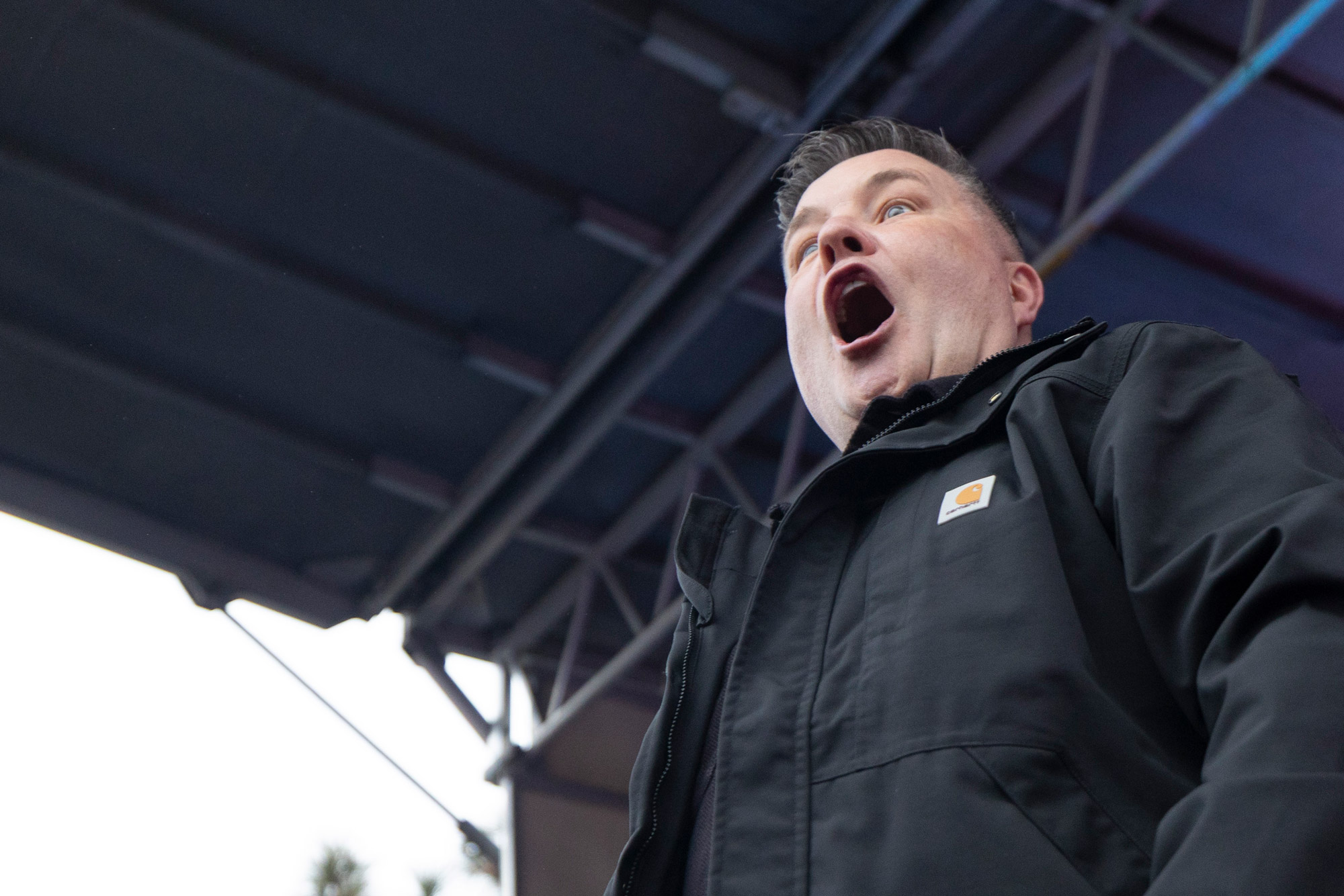
The heartland is often stereotyped as politically dormant — a place where national events happen to people rather than with them. The images in this project reveal something else entirely: a region that is active, vocal, and deeply engaged, shaped day by day by those willing to stand within it. Minneapolis has been here before. The city knows what it means for the world to watch its streets, and it knows what its streets look like when the world stops watching. This project exists so that the record does not depend on anyone else’s attention span.
The Project’s Future
Agency & Resilience is more than a single volume. The project continues through public exhibition of the photographs, community events built around the book’s release, and an ongoing commitment to keeping this chapter of Minneapolis history in public view — including a planned commemoration on January 24, 2027, the first anniversary of Alex Pretti’s death. The archive behind the book remains active; the practice of witnessing that produced it has not ended.
History is not abstract. It is embodied. It unfolds in the open air. And it is made, photograph by photograph, by those who refuse to look away.
To support the project, purchase the book, or inquire about exhibitions and press, please use the contact page.